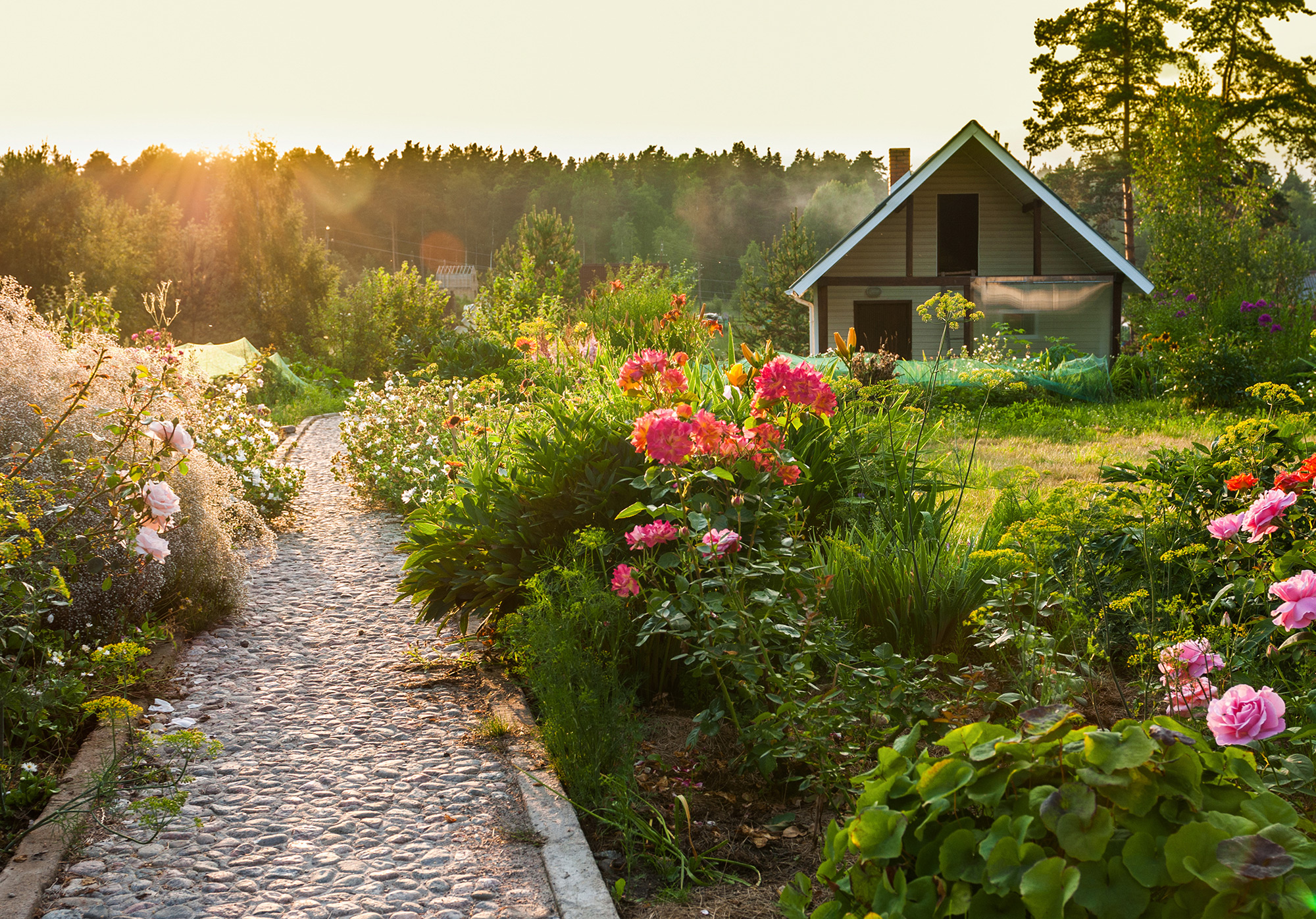
Limited space doesn’t mean limited possibilities. With smart planning and the right techniques, you can cultivate a diverse range of plants in a compact garden. Whether you’re growing vegetables, herbs, or flowers, these expert tips will help you maximize space and ensure a thriving, productive garden.
1. Understand Your Garden’s Space and Conditions
Every garden has a unique microclimate. Observe the sunlight exposure, wind direction, and soil type before choosing plants. If you have shaded areas, opt for shade-loving plants like ferns or hostas. For sunny spots, tomatoes, basil, and lavender thrive best.
2. Grow Vertically to Save Space
Utilizing vertical structures allows you to grow more plants without taking up ground space. Install trellises for climbing vegetables like peas and cucumbers, or use hanging baskets for herbs and trailing flowers. Wall-mounted planters can also add greenery without cluttering the ground.
3. Use Raised Beds and Containers
Raised beds and containers give you more control over soil quality and drainage. They are perfect for small gardens, balconies, or patios. Choose compact or dwarf plant varieties for containers, such as cherry tomatoes, mini bell peppers, or bush beans.
4. Practice Companion Planting
Pair plants that support each other’s growth. For example:
- Marigolds help repel pests from tomatoes.
- Basil enhances the flavor and growth of peppers.
- Beans fix nitrogen in the soil, benefiting leafy greens like spinach and lettuce.
5. Implement Succession Planting for Continuous Harvest
Instead of planting everything at once, stagger your planting schedule. When one crop is harvested, replace it with another. For example, plant lettuce in early spring, then follow with bush beans in summer, and finish with kale in fall.
6. Choose High-Yield and Compact Varieties
Opt for plants bred for small spaces, such as patio tomatoes, dwarf sunflowers, and baby carrots. These varieties produce full-sized fruits and flowers while taking up less room.
7. Optimize Soil Health for Better Growth
Good soil is key to healthy plants. Improve your garden’s soil by:
- Add organic compost for nutrients.
- Use mulch to retain moisture and prevent weeds.
- Rotating crops each season to maintain soil fertility.
8. Use Smart Watering Techniques
Watering efficiently helps conserve water and keeps plants healthy:
- Use a drip irrigation system to deliver water directly to plant roots.
- Water should be used in the early morning or late evening to minimize evaporation.
- Group plants with similar watering needs together to avoid overwatering.
9. Attract Beneficial Pollinators
Pollinators like bees and butterflies improve plant growth and fruit production. To attract them, plant nectar-rich flowers such as lavender, sunflowers, and wildflowers. Avoid using chemical pesticides that may harm these helpful insects.
10. Plan for Year-Round Growth
To keep your garden productive all year, grow season-appropriate plants:
- Spring: Lettuce, peas, radishes, and pansies.
- Summer: Tomatoes, cucumbers, peppers, and sunflowers.
- Fall: Carrots, kale, broccoli, and mums.
- Winter: Garlic, spinach, winter-hardy herbs, and ornamental grasses.
Final Thoughts
Even with a small garden, you can cultivate a rich variety of plants by using smart strategies. From vertical gardening to succession planting, these tips will help you make the most of your space while enjoying a lush and productive garden.
Looking for high-quality seeds to start your small garden?
Shop premium, high-germination seeds at SeedKart.in today!