Tropical plants bring lush greenery, vibrant colors, and exotic appeal to any garden. But growing them in a cooler climate can be challenging. The good news? With the right care and setup, your tropical plants can thrive even in regions with lower temperatures. Here’s how:
1. Choose Cold-Hardy Tropical Plants
Not all tropical plants need constant warmth to survive. Some species can tolerate cooler conditions, making them great choices for your garden:
- Windmill Palm (Trachycarpus fortunei) – Can handle temperatures as low as -15°C.
- Hardy Banana (Musa basjoo) – Can survive frost if protected properly.
- Elephant Ear (Colocasia esculenta) – Prefers warmth but can overwinter with mulch.
- Bird of Paradise (Strelitzia reginae) – Thrives in pots and can be brought indoors.
- Cordyline (Cordyline australis) – Adds a tropical touch and withstands mild frosts.
2. Create a Microclimate for Extra Warmth
A microclimate is a small area in your garden where conditions are slightly warmer. You can create one by:
✅ Planting near walls – South-facing walls absorb heat during the day and release it at night.
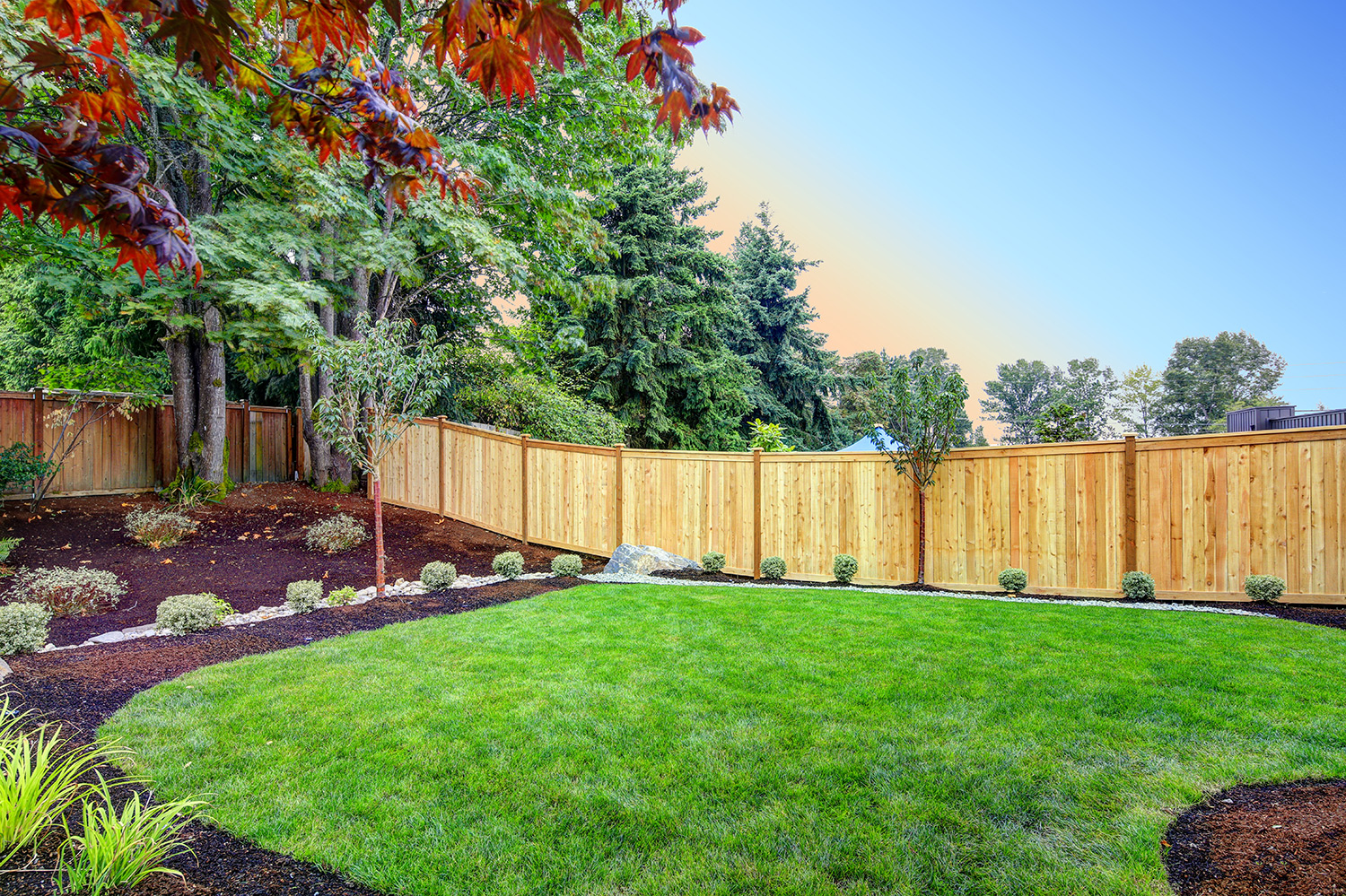
✅ Using windbreaks – Hedges, fences, or garden structures help block cold winds.
✅ Adding rocks and mulch – Rocks store heat, while mulch insulates the roots.
3. Grow in Containers for Flexibility
Growing tropical plants in pots gives you better control over their environment. Move them indoors or to a greenhouse during winter. Choose large, well-draining containers to prevent root rot.
Pro Tip: Use lightweight containers with wheels for easier transport.
4. Keep Soil Warm and Well-Drained
🌱 Use rich, organic soil – Tropical plants thrive in moist but well-draining soil. Mix compost and sand for the best results.
🌱 Apply mulch – A 2-3 inch layer of bark, straw, or coconut husk mulch keeps roots warm in winter.
🌱 Avoid overwatering – Cold, soggy soil can cause root rot. Water only when the top inch of soil is dry.
5. Increase Humidity for Healthier Growth
Tropical plants love humidity, but indoor heating and cold weather can dry them out. Boost humidity with:
💦 A pebble tray – Place a shallow tray filled with water under pots to create natural moisture.
💦 Regular misting – Spray leaves in the morning to mimic tropical conditions.
💦 Grouping plants together – This increases moisture levels in the air.
6. Provide Enough Light – Indoors and Outdoors
Tropical plants need plenty of light to thrive. If you’re growing them indoors, place them near a south-facing window. If there’s not enough sunlight, use grow lights to supplement.
Outdoor Placement: In cooler regions, tropical plants do best in bright, indirect light to avoid cold stress.
7. Protect Plants in Winter
If your winters get too cold, here’s how to protect your tropical plants:
- Wrap outdoor plants – Use burlap, frost cloth, or straw to insulate them.
- Bring potted plants inside – Place them in a warm, sunny spot before the first frost.
- Use greenhouses or cold frames – These structures trap warmth and shield plants from frost.
8. Acclimate Plants Gradually
Tropical plants can go into shock when suddenly moved between indoor and outdoor environments. Harden them off by slowly exposing them to different conditions over 1-2 weeks.
Example: Move them outside for a few hours daily, gradually increasing time outdoors.
Final Thoughts
Even in a cool climate, you can successfully grow tropical plants with the right techniques. Focus on choosing cold-hardy species, creating microclimates, maintaining soil warmth, and increasing humidity. With patience and care, your garden will have a vibrant, tropical look all year round!