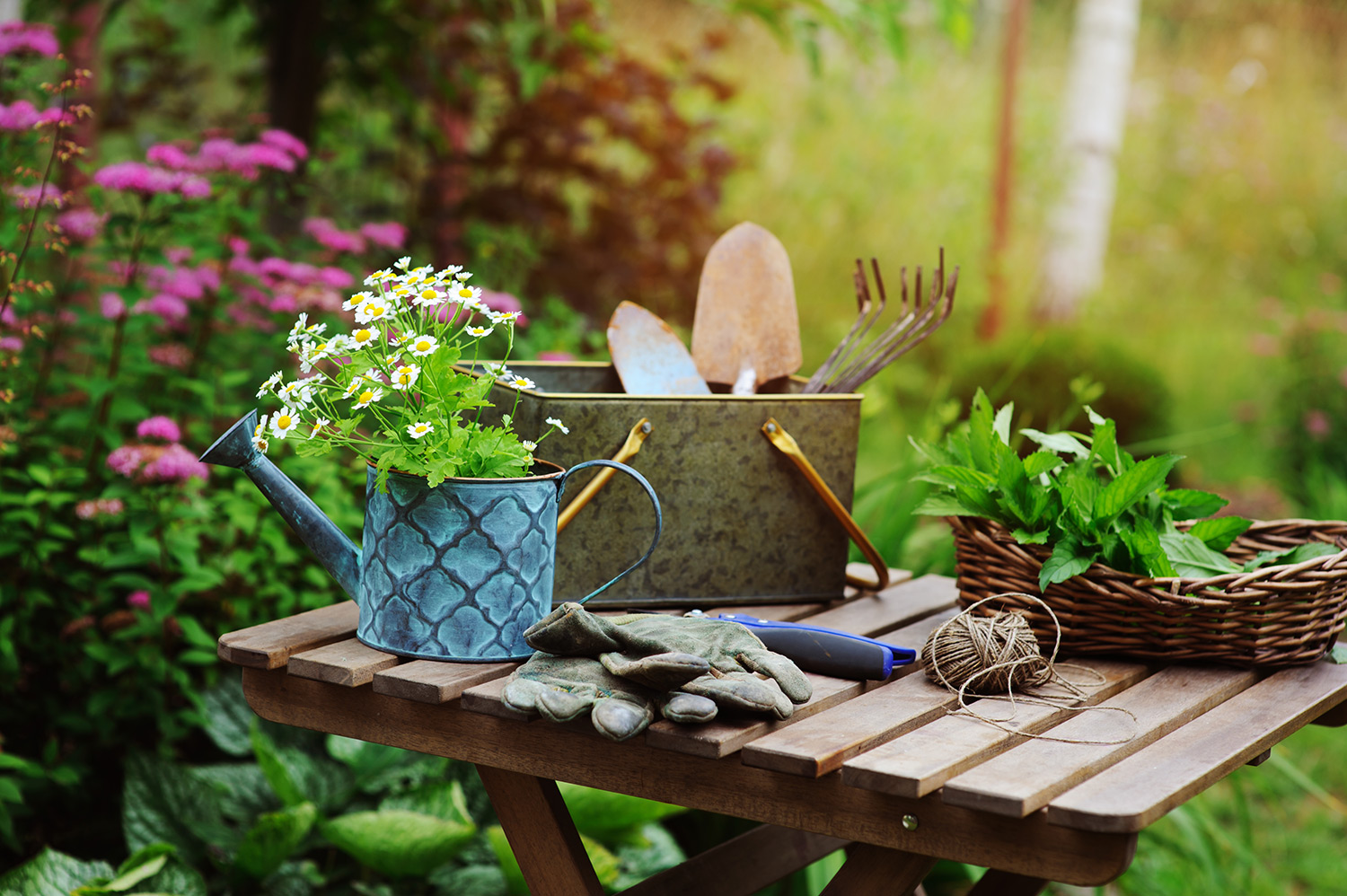
Gardens evolve with the seasons, but sometimes bare spots, overgrown trees, and inefficient watering can make your garden look untidy. Whether you’re dealing with gaps in flower beds, an unruly walnut tree, or high water usage, this guide will help you keep your garden lush, neat, and sustainable.
1. How to Cover Up a Garden Gap
Garden gaps occur when plants die, fail to grow as expected, or bloom at different times. Instead of leaving an empty patch, try these quick fixes:
✔️ Fast-Growing Fillers
Choose fast-growing plants that quickly cover bare spots:
- Annual Flowers: Marigolds, Petunias, or Nasturtiums 🌼
- Ground Covers: Creeping Thyme, Sedum, or Ajuga 🌿
- Ornamental Grasses: Blue Fescue, Fountain Grass, or Carex 🎋
👉 Pro Tip: For vegetable gardens, plant radishes or baby greens in gaps—they grow quickly and enrich the soil.
✔️ Container Plants
If you need an instant fix, place potted plants in the gap! Ferns, hostas, or dwarf shrubs work well and can be moved as needed.
✔️ Mulching & Decorative Stones
If a permanent plant isn’t an option, use mulch or decorative rocks to maintain a tidy look and suppress weeds.
2. How to Tidy a Walnut Tree
Walnut trees are beautiful but messy, dropping leaves, nuts, and twigs throughout the year. Here’s how to keep them in check:
✔️ Pruning for Shape & Health
- Trim dead or diseased branches in late winter (before new growth starts).
- Remove low-hanging branches that block light or cause clutter.
- Thin out excess growth to improve airflow and reduce fungal issues.
👉 Warning: Avoid heavy pruning in spring and summer—walnut trees can “bleed” sap, weakening the tree.
✔️ Managing Walnut Leaf & Nut Drop
- Rake regularly to prevent nuts from attracting pests.
- Use a garden vacuum to quickly clear fallen leaves.
- Compost carefully – Walnut leaves contain juglone, which can be toxic to some plants (like tomatoes).
3. How to Be Water-Wise in Your Garden
Watering wisely saves money, conserves resources, and keeps plants healthy. Here’s how to maximize efficiency:
✔️ Use Drip Irrigation
Drip irrigation delivers water directly to plant roots, reducing waste and evaporation. It’s perfect for vegetable gardens and flower beds.
✔️ Mulch to Retain Moisture
A layer of organic mulch (like bark, straw, or leaves) helps:
✅ Reduce evaporation
✅ Regulate soil temperature
✅ Suppress weeds
✔️ Collect Rainwater
- Install a rain barrel to collect water for dry days.
- Use gutters and downspouts to direct rain into your garden beds.
✔️ Water at the Right Time
🚫 Avoid midday watering – Most water evaporates before reaching roots.
✅ Water early in the morning – Maximizes absorption.
✅ Evening watering – Can work, but may lead to fungal diseases.
Final Thoughts: A Healthier, Greener Garden!
With these easy tips, you can fill garden gaps, maintain your walnut tree, and save water—all while keeping your outdoor space beautiful and sustainable.