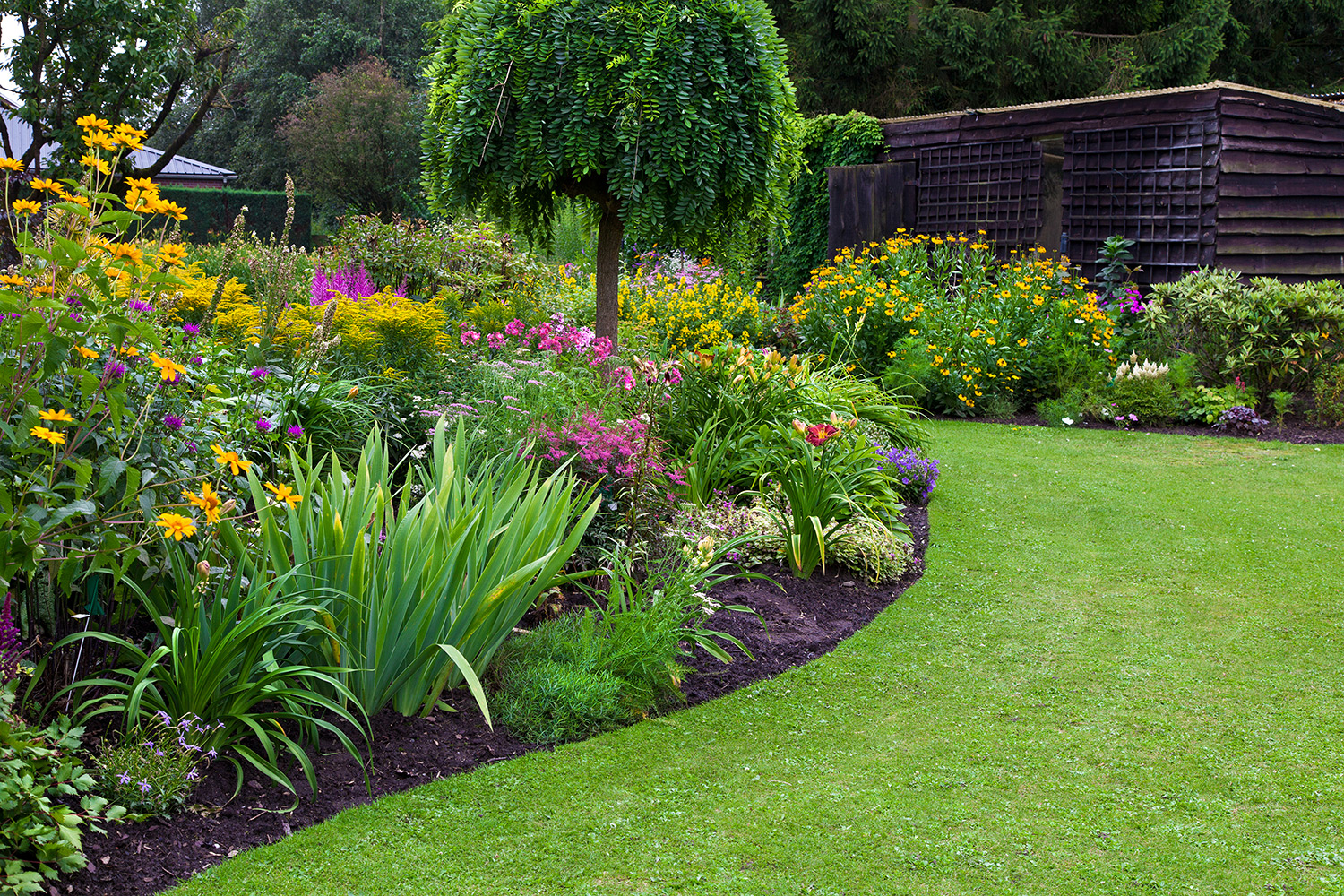
Growing your own vegetables is exciting—but if you’re worried about killing your plants, you’re not alone. Many beginners struggle with watering, soil conditions, and pest control. But don’t worry! With these simple steps, you’ll have a thriving veggie garden in no time. 🌱
1. Choose the Right Location
Your garden’s success starts with location. Vegetables need at least 6–8 hours of sunlight daily. A south-facing spot with good air circulation is ideal.
💡 Pro Tip: Avoid areas with too much shade or where water tends to pool after rain.
2. Pick Easy-to-Grow Vegetables
Start with low-maintenance veggies that are hard to kill:
| Vegetable | Why It’s Easy to Grow |
|---|---|
| Tomatoes 🍅 | Grow well in pots and raised beds. |
| Lettuce 🥬 | Quick-growing and doesn’t need much space. |
| Radishes 🌱 | Almost foolproof; harvest in just 3-4 weeks. |
| Zucchini 🥒 | Produces a high yield with little effort. |
| Spinach & Kale 🌿 | Hardy greens that thrive in different climates. |
-
Use the Right Soil
Healthy soil = Healthy plants. Avoid compacted or sandy soil, which can drown or starve your plants.
🔹 Loamy, well-draining soil is best.
🔹 Mix in compost or organic matter for nutrients.
🔹 Test your soil’s pH level (most veggies prefer a range of 6.0–7.0).
-
Don’t Overwater (or Underwater!)
One of the biggest plant killers? Too much water. 🚱
💧 Water deeply, not frequently – 2-3 times a week is usually enough.
💧 Morning is best – It prevents fungal diseases.
💧 Check soil moisture – If the top inch is dry, it’s time to water.
-
Use Mulch to Protect Plants
Mulch keeps soil moist, prevents weeds, and protects roots. Use:
🌿 Straw or grass clippings – Great for moisture retention.
🌿 Wood chips or bark – Perfect for long-term gardens.
-
Keep Pests Away Naturally
Forget chemical pesticides—try natural pest control instead!
🐞 Introduce ladybugs – They eat aphids and harmful insects.
🌱 Plant marigolds – They repel nematodes and pests.
🧄 Use garlic or neem spray – A natural insect deterrent.
-
Give Plants the Space They Need
Overcrowding leads to weak, disease-prone plants. Check spacing guidelines on seed packets and:
📏 Keep at least 12 inches between most veggies.
📏 Use vertical gardening (trellises) for vine plants like cucumbers.
-
Be Patient & Learn From Mistakes
Gardening isn’t about perfection—it’s about learning. Some plants may not survive, but every failure is a lesson. Keep experimenting, and soon, you’ll have a thriving veggie patch!
🌱 Best Seeds for Your Garden (Available on SeedKart.in!)
| Vegetable | Seed Type | Available on SeedKart.in? |
|---|---|---|
| Tomato Seeds 🍅 | Organic, Heirloom | ✅ Yes |
| Lettuce Seeds 🥬 | Non-GMO | ✅ Yes |
| Radish Seeds 🌱 | Quick-Grow | ✅ Yes |
| Zucchini Seeds 🥒 | High-Yield | ✅ Yes |
| Carrot Seeds 🥕 | Winter & Summer Varieties | ✅ Yes |
FAQs About Starting a Vegetable Garden
1. What is the easiest vegetable to grow?
Tomatoes, lettuce, radishes, zucchini, and spinach are some of the easiest vegetables to grow, even for beginners.
2. How often should I water my vegetable garden?
Most vegetables need 1–1.5 inches of water per week. Water deeply 2-3 times a week instead of lightly every day.
3. Can I grow vegetables in containers?
Yes! Tomatoes, peppers, lettuce, herbs, and carrots do well in containers. Just ensure good drainage.
4. What’s the best fertilizer for vegetables?
A balanced organic fertilizer like compost, fish emulsion, or aged manure provides essential nutrients without harming the soil.
5. How can I prevent my plants from dying?
- Check soil drainage – Avoid waterlogged roots.
- Mulch around plants – Retains moisture and prevents weeds.
- Space out plants – Reduces the risk of disease.
- Use natural pest control – Keep harmful bugs away.
Final Thoughts
Starting a vegetable garden doesn’t have to be complicated. With the right location, soil, watering habits, and pest control, your plants will flourish. Just remember—don’t overwater, give them space, and enjoy the process!
🌱 Ready to start growing? Pick your first seeds and start your journey to homegrown veggies today!